Why Choosing an Emergency Dentist Ventura Can Save Time and Teeth


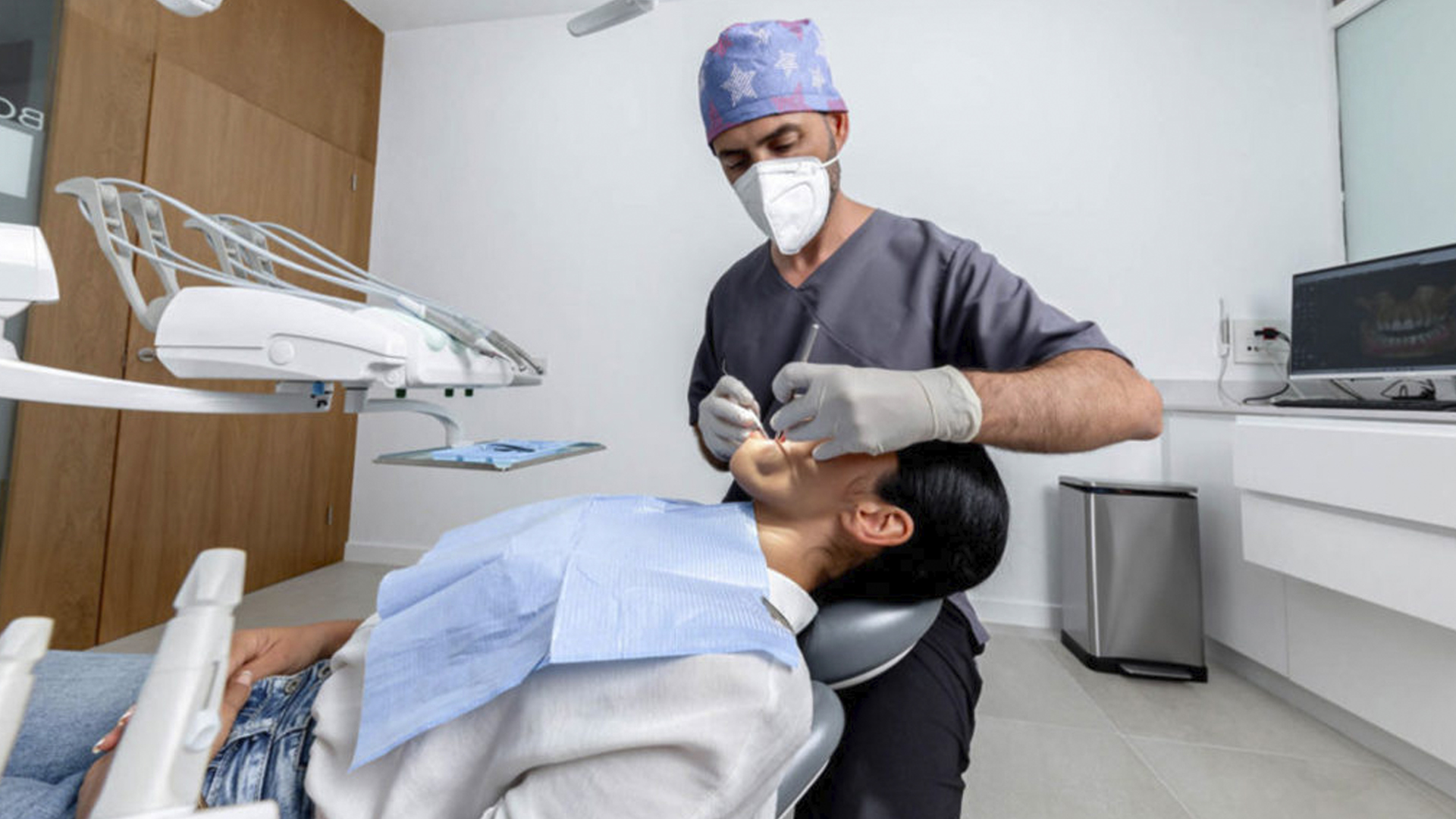
A dental emergency rarely arrives at a convenient hour. It usually starts with a sharp crack during dinner, a throbbing toothache that wakes you at 2 a.m., or a child taking an elbow to the mouth during a weekend game. In those moments, people often hesitate. They wonder if the pain can wait, if a regular appointment in a few days is good enough, or if they should head straight to an urgent care center that may not be equipped to handle dental trauma.
That hesitation is where time gets expensive.
Choosing an Emergency Dentist Ventura when something goes wrong can make the difference between a simple repair and a lost tooth, between a manageable bill and a much larger one, between one difficult afternoon and weeks of avoidable complications. Dental emergencies are not all dramatic, but many are time-sensitive. The mouth does not give much grace once infection spreads, a tooth fractures below the gumline, or trauma cuts off the blood supply to a tooth.
People tend to think of emergency care as a last resort. In dentistry, it is often the smartest first move.
The real cost of waiting
When patients put off urgent dental treatment, the damage usually does not stay still. Teeth are small structures, but problems inside them move fast. A cavity that reaches the pulp can turn from annoying to unbearable in a day or two. A cracked molar can split further every time you chew. An abscess can swell enough to affect sleep, eating, and, in more severe cases, your ability to swallow comfortably.
I have seen situations that began as a repairable problem and became a much bigger one simply because someone tried to tough it out through the weekend. A patient once called after breaking a back tooth on Friday night. It hurt, but the pain was not severe yet, so he decided to wait until the following week. By Monday, that crack had propagated through the cusp, the nerve was inflamed, and the treatment plan had shifted from a likely crown to a root canal and crown. In some cases, the tooth would not have been restorable at all.
Time matters because oral conditions often worsen under normal function. Every bite adds pressure. Every hot coffee or cold drink can trigger inflamed tissue. Every hour an avulsed, or knocked-out, tooth stays out of the mouth lowers the odds of successful reimplantation. What feels like a short delay to the patient can be a critical window clinically.
Dental emergencies are not always obvious
One reason people delay care is that they are not sure whether the situation counts as an emergency. Some emergencies are unmistakable, like uncontrolled bleeding or a tooth that has been knocked out. Others are more subtle. A dull ache that turns sharp when biting, sudden swelling near a gumline, or a crown that fell off exposing a sensitive tooth can all require prompt treatment.
Pain is not the only measure. Some serious dental problems do not hurt immediately. Trauma can damage a tooth’s internal structures before symptoms appear. An infection can drain in a way that briefly reduces pressure, tricking a person into believing it is getting better. A cracked tooth may only twinge now and then until one hard chew turns it into a major fracture.
This is where having access to an Emergency Dentist Ventura becomes practical, not dramatic. You are not trying to label your own condition perfectly. You are getting a trained evaluation quickly enough to preserve options.
Why a dedicated emergency dentist saves more than calendar time
Many people assume any healthcare provider can handle oral pain in the short term. The reality is more complicated. Urgent care clinics and emergency rooms can be appropriate in some situations, especially if there is severe facial swelling, fever, difficulty breathing, or trauma involving the jaw, head, or uncontrolled bleeding. But for most tooth-specific problems, they often cannot provide definitive dental treatment.
They may prescribe pain medication or antibiotics when warranted. What they typically cannot do is restore the tooth, perform root canal therapy, reimplant a knocked-out tooth, adjust a traumatic bite, drain a dental abscess through the proper route, or replace a dislodged restoration. That means you may spend hours getting temporary relief while the underlying problem remains untouched.
A dentist who regularly handles emergencies works differently. The office is set up for oral diagnostics and intervention. X-rays can be taken immediately. Soft tissue injuries can be evaluated in the context of tooth and jaw health. A treatment plan can be narrowed quickly, and, in many cases, the first phase of treatment happens the same day.
That saves time in the obvious sense, but it also saves decision time, recovery time, and, importantly, biological time. A tooth does not care that your schedule is busy.
Teeth can often be saved if the response is fast
Patients are often surprised by how much can be preserved when they seek care early. Teeth that seem hopeless sometimes are not. The reverse is also true. Teeth that look only mildly injured can decline quickly without treatment.
A knocked-out permanent tooth is one of the clearest examples. If it is handled correctly and the patient reaches a dentist promptly, there is a real chance of saving it. The outcome depends on factors like the patient’s age, how the tooth was stored, whether the root surface stayed intact, and how long it remained out of the socket. Minutes matter here, not days.
Severe toothaches can also become salvage cases when treated early. If the issue is inflamed pulp rather than a deep fracture, root canal treatment followed by proper restoration may keep the natural tooth in service for many years. Catching a fractured filling or crown margin before decay spreads under it can prevent larger reconstruction. Treating a localized gum infection before it affects surrounding bone can protect both the tooth and the supporting structures.
When people hear “save time and teeth,” it can sound like a slogan. In practice, it is literal.
What an emergency dentist is looking for right away
During an urgent visit, the goal is not just to stop pain. It is to identify the source quickly, determine whether the tooth is restorable, and prevent the problem from escalating. The first questions tend to focus on timing, triggers, trauma, swelling, sensitivity, and whether the bite feels different. Then comes the clinical exam, often followed by focused imaging.
An experienced emergency provider is usually sorting through a few critical issues at once. Is the tooth cracked vertically or only in the enamel? Is the pain https://www.google.com/search?sca_esv=5f802be1e67c425f&rlz=1C1ONGR_enPH1070PH1070&sxsrf=ANbL-n4ZDQFYvkOsm98YXSkVVmegynTokg:1780324184984&kgmid=/g/11fvpyz1tq&q=Avra+Dental&shem=epsd1,rimspwouohc&shndl=30&source=sh/x/loc/uni/m1/1&kgs=185ec109eed1f1d2&utm_source=epsd1,rimspwouohc,sh/x/loc/uni/m1/1 coming from the tooth, the gums, the sinus area, or the joint? Is there active infection that needs immediate drainage? Is there mobility that suggests injury to the supporting ligament or surrounding bone? Has the pulp been exposed? Has a child’s primary tooth been injured, or are we dealing with a permanent tooth with a different treatment priority?
That kind of judgment saves time because it avoids guesswork. It also saves teeth because early treatment decisions shape long-term outcomes. A temporary restoration placed well can protect a tooth until final treatment. A poorly timed delay can turn a restorable fracture into an extraction.
Common situations that deserve prompt attention
Not every urgent problem requires a midnight call, but many should be seen the same day or as soon as possible. The following situations usually justify contacting an emergency dental office promptly:
- A knocked-out, cracked, or significantly loosened tooth
- Swelling in the gums, face, or jaw, especially with pain or fever
- Severe tooth pain that does not settle or keeps you from sleeping
- Bleeding in the mouth that does not stop with gentle pressure
- A broken crown, filling, or tooth causing sharp edges, nerve exposure, or bite pain
Patients sometimes ask whether a lost filling is really urgent. It depends. If the tooth is not sensitive and the structure is largely intact, a short delay may be manageable. If the area is painfully exposed or the remaining tooth walls are thin, sooner is better. Judgment matters, and quick access to professional advice matters more.
Ventura patients have practical reasons to choose local emergency care
Location often gets overlooked until stress enters the picture. When someone is in pain, dealing with swelling, or transporting a child after an injury, convenience stops being a luxury. It becomes part of the treatment.
Choosing an Emergency Dentist Ventura means reducing transit time when time matters. It also means seeing someone familiar with local referral patterns if imaging, oral surgery, or endodontic specialty care becomes necessary. In real-world terms, that can compress what might otherwise become several disjointed appointments into a faster, more coordinated response.
There is also a simple comfort factor. Dental emergencies are unsettling. Being treated close to home, especially in a practice that understands the community and can offer follow-up without a long drive, tends to reduce friction at every stage. That improves the odds that patients will complete recommended care rather than only addressing the immediate pain.
The money question, and why delay often costs more
People sometimes avoid emergency dental care because they assume it will be more expensive than waiting for a routine appointment. Sometimes there is an added premium for urgent scheduling or after-hours access, depending on the office and the timing. But that is only part of the financial picture.
The more important question is what delay does to the treatment plan.
A simple bonded repair is usually less expensive than a crown. A crown is generally less expensive than root canal treatment plus a crown. Those are both less expensive than extraction followed by a bridge or implant replacement. The same pattern shows up with infection. Early treatment of a localized issue is often more straightforward than dealing with widespread swelling, multiple visits, additional imaging, and the restorative work needed after tissue damage spreads.
There are indirect costs too. Missed work, poor sleep, inability to eat comfortably, travel between multiple providers, and the stress of repeated appointments all add up. Patients rarely calculate those numbers when they are deciding whether to wait, but they feel them later.
Emergency care is not always the cheapest line item on paper. It is often the least expensive path overall.
What to do before you get to the office
Good first-aid steps can protect a tooth and reduce complications while you are on the way. These measures are simple, but they matter:
- If a permanent tooth is knocked out, hold it by the crown, not the root, and keep it moist in milk or saliva
- For swelling, use a cold compress on the outside of the face in short intervals
- If bleeding is present, apply gentle pressure with clean gauze
- Rinse lightly with warm salt water if the area is dirty or irritated
- Avoid chewing on the injured side and skip very hot, cold, or hard foods
A few cautions are worth mentioning. Do not place aspirin directly on gums, which can irritate tissue. Do not scrub the root of a knocked-out tooth. Do not ignore facial swelling that is spreading or accompanied by fever or difficulty swallowing. That crosses from urgent to potentially serious quickly.
Children, sports injuries, and the need for fast judgment
Dental emergencies involving children carry their own layer of complexity. Parents are often trying to interpret tears, bleeding, swelling, and incomplete descriptions of what happened. Add in the fact that children may injure baby teeth or permanent teeth, and the right next step becomes less obvious.
A toddler who bumps a primary tooth may need monitoring more than intervention, depending on mobility and displacement. A school-age child with a fractured permanent incisor may need immediate protection of the exposed area to improve long-term survival. Sports injuries are especially time-sensitive because chips, luxation injuries, and avulsions can look less dramatic than they are.
The key point is that not all pediatric dental trauma should be managed the same way. Fast access to someone trained to tell the difference can prevent permanent consequences to a developing bite and smile.
When the emergency room is the right call
It is worth being clear about this. Dentists handle most tooth-related emergencies best, but not every oral problem belongs first in a dental chair. Some symptoms need hospital-level evaluation.
If a person has trouble breathing, trouble swallowing, severe facial trauma, suspected broken jaw, uncontrolled bleeding, or rapidly spreading swelling with fever and systemic symptoms, that is medical emergency territory. A hospital or emergency department may be the safest first stop. Once the patient is stable, dental treatment follows.
This is not an either-or contest between medical and dental care. It is about getting to the right place first.
The value of continuity after the crisis
One thing patients appreciate after an emergency visit is having a clear next step. Relief is important, but most emergency treatment is only phase one. A tooth may need a permanent crown after a temporary repair. Trauma may require follow-up X-rays to monitor the pulp. Gum infections may need deeper periodontal treatment after the acute phase resolves.
That continuity is another reason choosing a local Emergency Dentist Ventura can save more than one day of hassle. The office that stabilizes the problem is often in the best position to watch how it heals. Subtle changes in bite comfort, tooth vitality, or soft tissue response are easier to interpret when the same team has seen the case from the start.
In practice, that often means fewer gaps, fewer retellings, and less chance of something important slipping through.
A calm plan beats panic every time
The smartest time to think about emergency dentistry is before you need it. Most people research an urgent dentist after the pain starts, while they are distracted and uncomfortable. A better approach is to know who you would call, whether the office offers same-day evaluations, and what after-hours guidance is available.
That small bit of planning reduces panic. It also shortens the time between injury and care, which is exactly what preserves treatment options.
Dental emergencies are disruptive, but they do not have to become disasters. Fast, skilled attention can stop pain, control infection, preserve natural teeth, and prevent a difficult situation from becoming a much more expensive one. When every hour matters, choosing an Emergency Dentist Ventura is not just about convenience. It is about protecting your health, your time, and, quite often, your teeth.
Avra Dental
1708 S Victoria Ave B, Ventura, CA 93003, United States
Phone: +1 805-765-3206
FAQ About Emergency Dentist Ventura
Can the ER do anything for tooth pain?
An emergency department can assess serious symptoms and provide temporary relief, but definitive dental treatment usually requires a dentist. Trouble breathing or swallowing, uncontrolled bleeding, or swelling spreading into the neck requires emergency medical care.
What do I do if I have a dental emergency and no dentist?
Contact a local emergency dental practice promptly, explain your symptoms, and ask about the earliest available assessment. Avra Dental provides emergency dentistry in Ventura; call to confirm availability. If you have life-threatening symptoms or a serious facial injury, go to an emergency department or call 911.
What do I do if tooth pain is unbearable?
Seek urgent dental assessment rather than waiting for the pain to pass. While arranging care, gently rinse with warm water and avoid placing aspirin directly on the tooth or gums. Severe pain with trouble breathing or swallowing, rapidly spreading swelling, or uncontrolled bleeding needs immediate emergency medical care.